-

Real-World Examples: Approved EB-1 and EB-2 NIW Petitions from Academic Researchers
Understanding EB1 Visa Success Stories for Researchers EB-1 and EB-2 NIW Petitions visa categories offers a faster path to permanent residency for researchers with extraordinary abilities.For academic professionals seeking permanent residency in the United States, understanding real-world success stories can provide valuable insights into the application process. Recent data shows approval rates for EB-1A petitions…
-

Pros and Cons of Concurrent Filing: Should You File I-140 and I-485 Together?
Filing I-140 and I-485 forms Filing I-140 I-485 offers a potentially faster path to permanent residency, but is it always the right move? Many immigration applicants face this critical decision when pursuing their green cards. Rather than waiting for I-140 approval before submitting the I-485 adjustment of status, concurrent filing allows you to submit both…
-
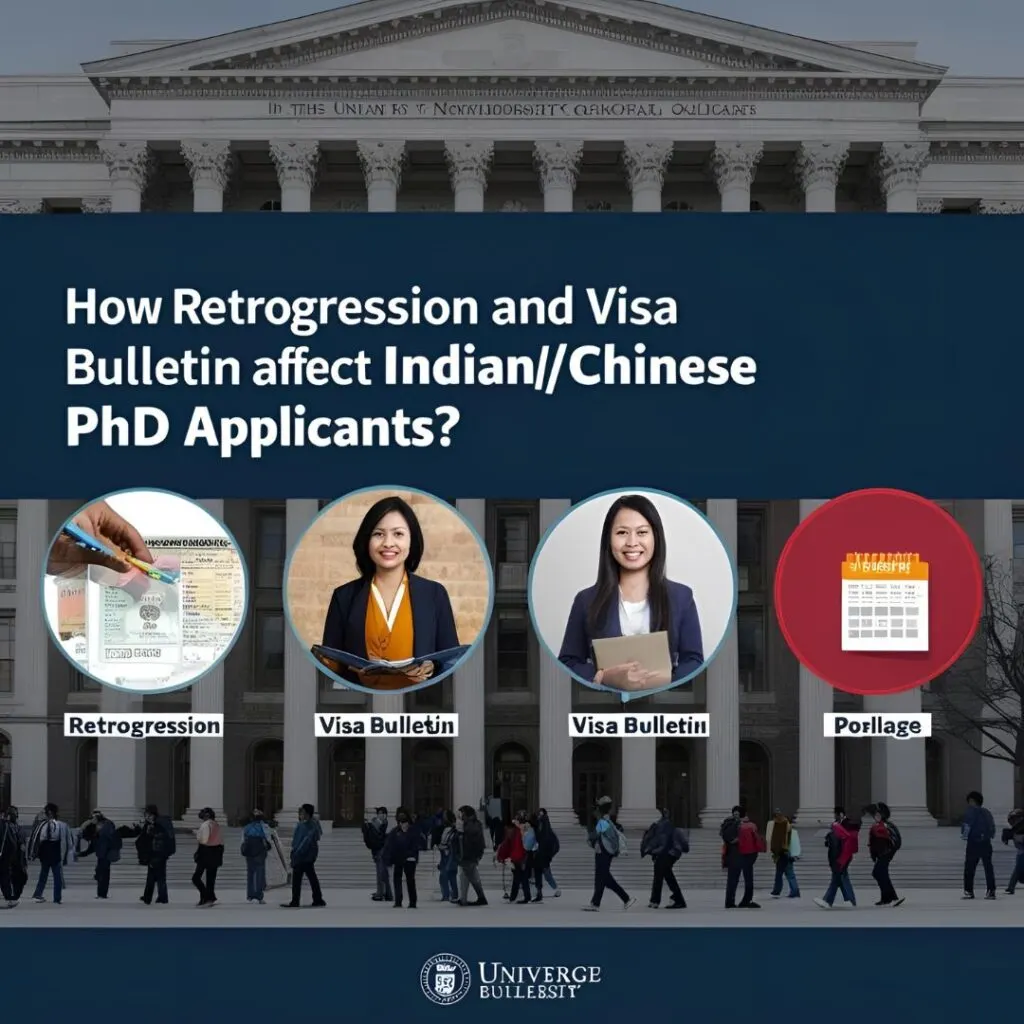
How Retrogression and the Visa Bulletin Affect Indian/Chinese PhD graduates
PhD graduates PhD graduates from India and China pursuing permanent residency in the United States face unique challenges due to visa retrogression, a phenomenon that significantly impacts their immigration timeline. This issue affects thousands of highly qualified professionals every year, creating uncertainty in their career paths and life planning. Understanding Visa Retrogression Visa retrogression occurs…
-
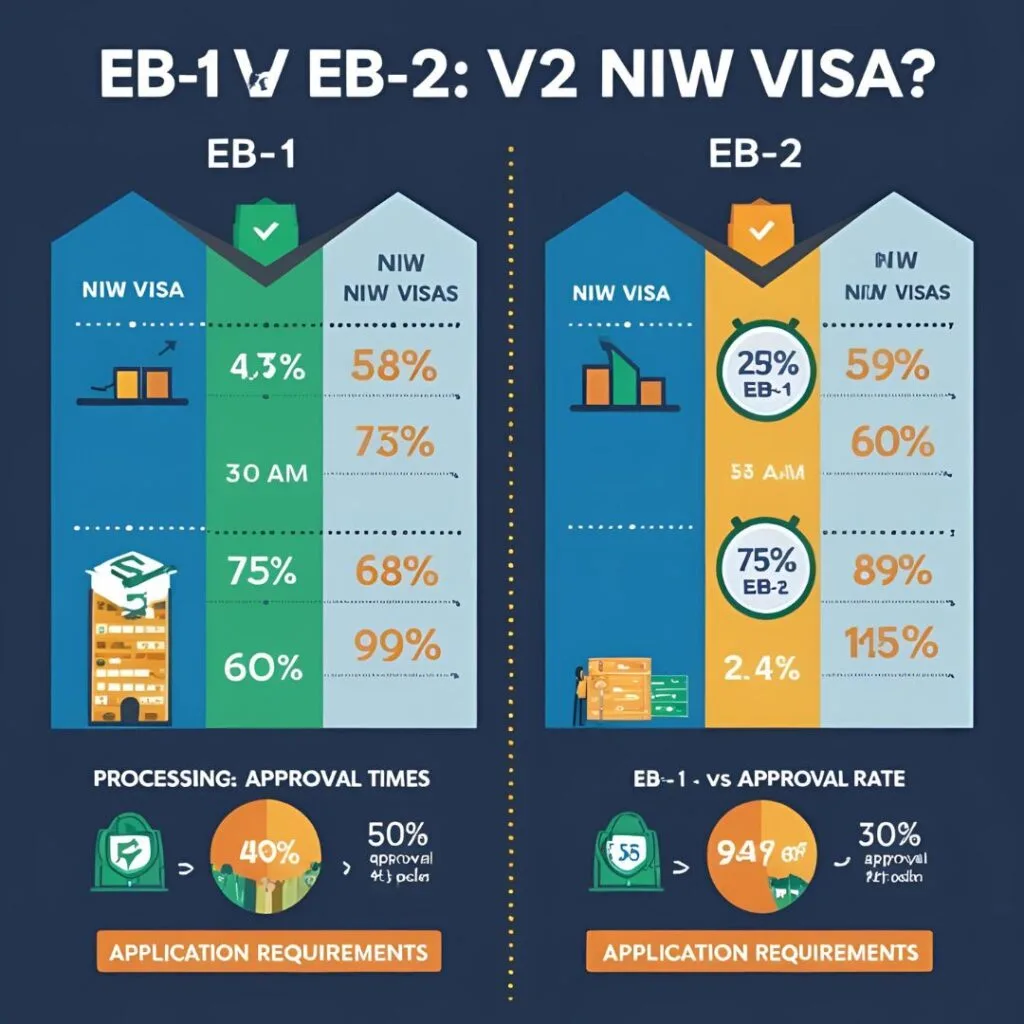
Timeline Differences Between The EB-1 and EB-2 NIW: A Processing Comparison
The EB-1 and EB-2 The EB-1 and EB-2 NIW (National Interest Waiver) represent two of the most sought-after employment-based green card categories. While both lead to permanent residency, they differ significantly in processing timelines and requirements. Processing Timeline for The EB-1 and EB-2 EB-1 Processing Timeline The EB-1 category (for individuals with extraordinary ability, outstanding…
-

Step-by-Step Filing Process: From I-140 to I-485 for Researchers
I-140 to I-485 are key forms in the employment-based green card process. I- 140 is an immigrant petition, which establishes the applicant’s eligibility for permanent residency. The I-485 is the application to adjust status, allowing the applicant to apply for a green card. The I- 140 is a prerequisite for filing the I-485, and it also…
-

How to Get Your Green Card from F1: A Step-by-Step Guide
The F1 to green card process remains one of the most sought-after paths for international students in the United States. Each year, thousands of the F1 visa holders successfully transition to permanent residency, though the journey often feels like solving a complex puzzle with constantly changing pieces. Despite the challenges, obtaining a green card from…
-

Leveraging Academic Service Activities for EB-1 Qualification
Employment-Based First Preference (EB-1) category offers a pathway to permanent residency in the United States for individuals with extraordinary ability in their field. For academics, researchers, and professionals, demonstrating significant contributions to your field is crucial for a successful EB-1 petition. Among the most effective ways to establish your standing in your field are participating…
-

Boosting Citations and Scholarly Visibility for a Stronger Green Card Case
Researchers Researchers, scientists, and academics pursuing employment-based immigration to the United States, scholarly impact serves as compelling evidence of exceptional ability. While there’s no magic number of citations required for success, strategic citation building and scholarly visibility can significantly strengthen EB-1 and EB-2 Green Card applications. Understanding Citation Impact in Immigration Cases of Researchers The…
-

Increasing Your Chances of Approval While Still in a PhD or Postdoc
Chances of approval as an early-career researcher, securing approvals for grants, proposals, and projects can be challenging when competing against established scientists. However, there are strategic approaches you can take to significantly improve your chances of approval even without decades of experience. Understand the Funding Landscape Start by thoroughly researching funding agencies and their priorities.…
-

Comprehensive Guide to Letter of Recommendation Strategies
Selecting recommenders Selecting recommenders, focus on individuals who can speak authoritatively about your abilities relevant to your target opportunity. The strongest letters come from people who have directly observed your work in meaningful contexts. For academic applications, prioritize professors who taught upper-level courses where you demonstrated excellence, research supervisors who guided your independent work, and…

Kaja Saahithya
Archive
Categories
Recent Posts
- Bank Statement Requirements for Visa and University Applications

- Study Abroad Pre-Departure Checklist: Essential Steps Before You Fly

- Supporting Documents for Study Abroad: Travel, Accommodation & Country-Specific Proofs

- Completed Visa Application Form Guide: Country-Specific Requirements for Students

- Why Previous Qualification Certificates Matter for Study Abroad

Social Links
#StudyAbroad2025 EB1A EB2NIW Global Education Green Card for researchers Overseas Education Consultancy PhDImmigration Rao's visa Consultancy in hyderabad Rao’s visa and International education specialists Student Visa Study Abroad Study Abroad Consultancy Study Abroad Tips USCIS USImmigration
